01 Saturday, 10:40
Six appointments back to back, and the diary is the only thing holding them
You are in a fitting room with a bride and her mother. The phone rings. Someone at the counter is looking for a slot next Saturday and the paper diary is on the other side of the store. A booking request that came in by email on Wednesday is still unanswered on Friday, and by then she has been to two other shops.
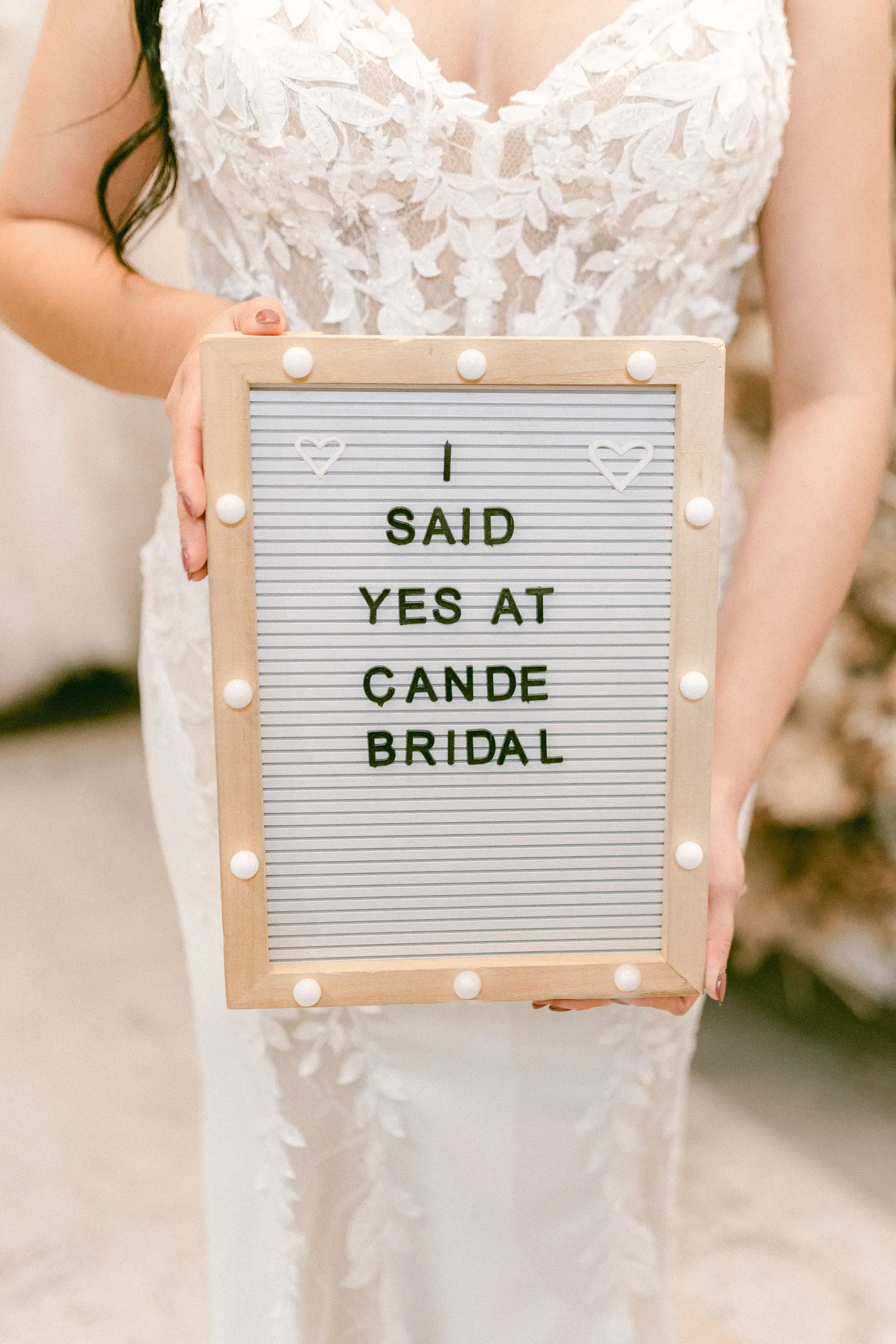
What RingUps does. One calendar with the appointment, the room and the stylist on it, and a public booking page a bride can use herself without anyone leaving the floor. That booking page has run end to end for Cande Bridal Boutique: 12 slots returned, the booking confirmed, the row verified in the database.
02 Monday, 09:15
A designer emails to say a shipment is delayed, and you have to work out who it hits
The email says four weeks. You open the spreadsheet, filter it by that designer, then cross-check each bride's wedding date in the other system, then work out which of them still have room for alterations afterwards. That is forty minutes on a Monday, and it is forty minutes you spend again the next time an email like it arrives.
What RingUps does. Every special order carries a must-arrive-by date computed backward from the wedding date rather than typed in by hand, so the orders in danger are a filter rather than a memory exercise. The dye-lot guard is enforced at the write path: a purchase order that mixes lots is refused unless someone deliberately ticks the override.
03 Tuesday, 14:05
A bride phones to say the wedding has moved forward five weeks
You change the date in one place and remember to change it in three others. The order still has the deadline somebody typed against the old date, so nothing about the system knows the gown is now late. The person who takes her call in six weeks has no way of knowing any of this happened.
What RingUps does. The must-arrive-by date is derived from the wedding date rather than stored as a number a person typed once, so the deadline follows the wedding instead of following someone's memory. Her record carries the orders, the payments, the appointments and the history together, so whoever is on shift can answer her without phoning you.
04 Wednesday, 21:30
The deposit reconciliation nobody has time for, which is how much of that money is actually yours
Deposits landed all month and the report counted them as revenue on the day they arrived. So the good month was not a good month, it was a month in which a lot of gowns were ordered, and the tax on it arrives regardless. You know this, which is why the reconciliation is on your list, and why it is still on your list.
What RingUps does. A deposit posts to a liability account on an append-only, double-entry ledger and is recognized as revenue when the gown is delivered, which is when you have actually earned it. Payment plans and deposit schedules sit on the order. There are 28 report pages and 30 export keys, so the number you want is a report rather than an evening.
05 Thursday, 16:20
The alterations are written on a card in the workroom, and only one person can read it
The card is pinned behind the machine. The price is in your seamstress's head. The fitting date is in the diary at the front. A bride phones to ask about all three and the person answering has to go and look at two of them and guess the third. When the seamstress is away, the workroom is a room nobody can report on.
What RingUps does. One workroom screen with the queue, the assigned seamstress, the fitting and the price on every gown, visible to whoever is on the floor. Bridal Web Solutions has no alterations workroom at all: the same work is spread across appointments, per-supplier charge records and four separate reports. That is a structural difference rather than a feature count.